
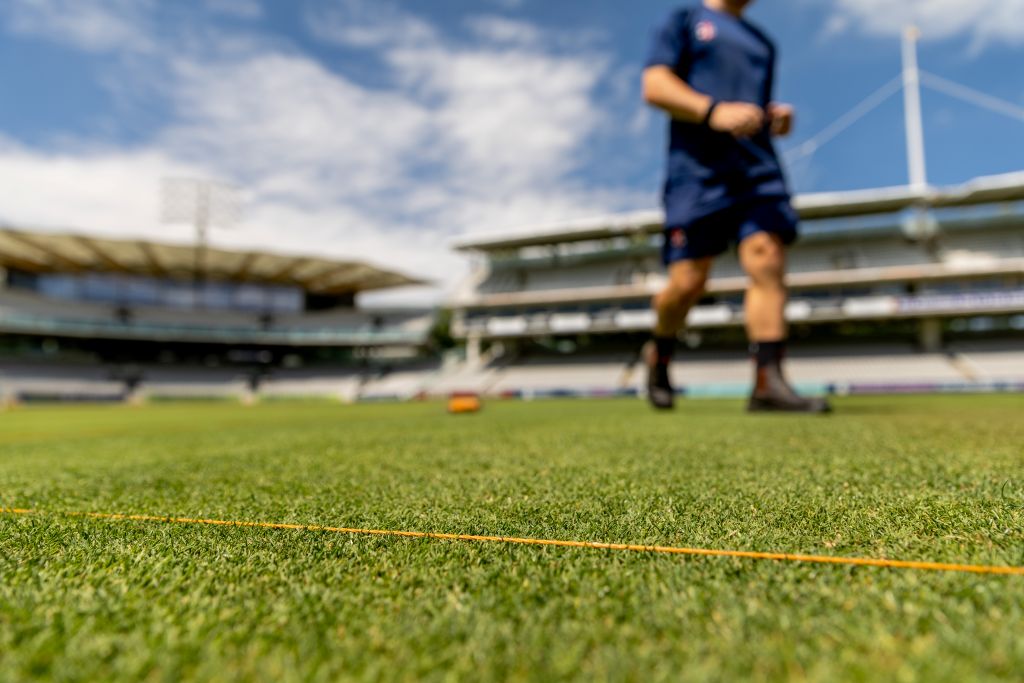
Surfaces may still be fragile after winter, especially after persistent rainfall so far this year, but improving temperatures and longer days provide opportunities to begin restorative work.
Consistency remains key. Avoid rushing into operations too early, but take advantage of suitable dry windows. Below are the core priorities for March:
AERATION
- Continue aeration where ground conditions allow
- Aim for shallow to medium aeration to relieve surface compaction from winter play
- Avoid heavy-duty or deep-tine aeration if soils are still saturated, as this can cause structural damage
- Venting tines are especially useful now - they encourage oxygen flow and improve early season root activity
BRUSHING
- March often brings increased moisture and early growth spurts.
- Daily light brushing helps remove dew and stand the grass upright before mowing
- This is also an excellent time to improve presentation on all pitches as activity increases
DIVOTTING & SURFACE REPAIRS
- Growth begins to return, making March an ideal month for more effective repair work.
- Replace divots after every fixture and training session
- Use a compatible rootzone mix to fill any larger scars
- Good divotting now accelerates recovery heading into the busier spring period
PITCH DRAINAGE
- Keep drainage systems functioning well as soils transition out of winter wetness.
- Clear silt, leaf debris and blockages in outlets and ditches
- Monitor low-lying areas - remedial action now prevents longer-term soft spots as growth increases
FERTILISER APPLICATION
- Warmer soils mean nutrient uptake improves.
- Consider applying a light, balanced spring feed or a low-nitrogen, slow-release fertiliser
- Nitrogen should still be modest to prevent overly lush growth that is susceptible to wear and disease
- Apply only when conditions favour uptake - avoid cold snaps, frosts or waterlogged surfaces
MOWING
- March typically marks the return of more regular mowing.
- Begin gradually lowering cutting heights as growth stabilises, but avoid drastic reductions
- Aim to maintain a consistent sward and encourage lateral growth
- Only cut when the grass is dry and frost-free to prevent bruising
CRICKET PRE-SEASON PREPARATIONS
March is a critical month for cricket squares and outfields, this is the month before the season starts, so this is when we can start to prepare the ground ready for play, but just remember make sure the ground and weather conditions are suitable.
Rolling
Pre-season rolling on the cricket square is helpful to the production of quality pitches, as the cricket square requires a firm, even surface. Rolling should commence as soon as conditions permit, aiming to use successively heavier rollers as the soil dries to compact the soil over a period of several weeks.
- Start your pre-season rolling programme as soil moisture content becomes suitable
- Begin with lighter passes and gradually increase roller weight as the square firms up
Mowing
Maintaining the grass in the correct height range will help to prevent disease and moss, as well as ensuring that the woody base of the plant or the ‘crown’ does not become too high up in the plant, which might otherwise produce a lower-quality surface when the individual pitches are cut lower during pitch preparation.
- Continue topping the square if growth demands it, gradually reducing height as conditions improve
- Always remove debris before mowing to protect blades and turf
Brushing
Drag brushing the grass leaf, will help keep the grass leaf upright, with less chances of disease forming.
- Remove dew to help prevent disease
- Reduces debris on the surface
- Stands the grass plant up to keep the base of the plant well oxygenated
- Disperse worm casts
Fertiliser
Fertiliser is needed to replace the nutrients removed in the clippings when the square is cut, loss through leeching from the soil and volatilisation to the air. The grass plant needs the nutrients to grow and develop, to resist and recover from wear and to prevent disease.
- Apply a light spring feed when conditions allow to promote early green-up and support plant health
- Ensure equipment is calibrated for consistent application
Square & Equipment Checks
Prior to the season beginning (March and April).and the first pitch being prepared, it is important to ensure that the square is indeed square and that the individual pitch positions are marked out and are 22 yards in length in order to establish the true stump lines.
- Complete servicing of machinery if not already done
- Order any loam, seed and materials that maybe required ahead of the season starting
WEED MANAGEMENT
- As temperatures rise, turf weeds begin to reappear
- While major applications are usually made later in spring, early identification helps plan herbicide programmes
MARKING OUT
- March often sees increased fixtures, so ensure lines are bright, accurate and regularly refreshed
- Avoid marking when the ground is saturated to prevent rutting
PLAN FOR END-OF-SEASON RENOVATIONS
Now is the ideal time to finalise renovation plans:
- Confirm scarification, aeration and overseeding requirements
- Order materials early to avoid supply delays
- Arrange contractor availability if required
- Clear planning now ensures smooth execution once the season concludes
Only carry out the above tasks when the ground and climate conditions are suitable.
For More Expert Advice
Need more guidance on pitch care? Visit the GMA Toolkit for detailed resources and tips tailored to your needs: toolkit.thegma.org.uk.
Why Not Become a GMA Member?
As a GMA member, you gain access to invaluable resources to support your grounds maintenance schedule. One standout benefit is our Ask the Expert service, offering one-to-one expert advice tailored to your specific challenges and goals.
Membership also unlocks a wealth of additional perks, including discounted rates on training courses and events, exclusive access to the brand-new Member Assistance Programme, and discounts from high street retailers!