
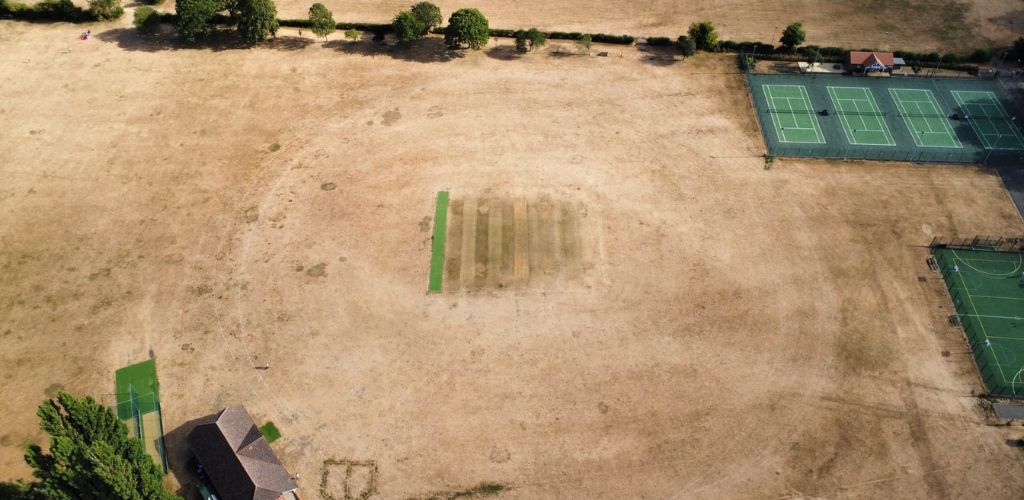
With prolonged periods of hot, dry weather placing increasing pressure on community sports surfaces, the Grounds Management Association (GMA) is encouraging clubs, schools and local authorities to start planning for recovery before autumn rainfall arrives.
The GMA has published practical Drought Recovery Guidance to help grounds teams restore playing surfaces affected by drought stress and prepare pitches for the season ahead. The guidance is designed specifically for community sports facilities, particularly those with limited or no access to irrigation.
Recent dry conditions have left many grass surfaces dormant, discoloured and vulnerable to wear. While the temptation can be to continue routine maintenance, the GMA advises that certain activities can actually worsen drought damage. During drought conditions, grounds managers are encouraged to avoid unnecessary maintenance, including aggressive mowing, aeration, fertiliser applications and weed control measures that may increase plant stress.
Instead, attention should turn to protecting the surface until rainfall returns and preparing a recovery plan. The guidance outlines a range of measures that can support recovery.
The GMA also stresses the importance of planning ahead. Clubs that rely on external contractors should discuss requirements early, secure budgets where needed and ensure resources are in place to take advantage of improving weather conditions when they arrive.
Importantly, many recovery operations can be carried out while pitches remain in use, allowing facilities to balance playing demands with long-term surface health. The key message is to work with the weather and be ready to act when conditions become favourable.
Sports organisations and grounds teams can access the full guidance and supporting resources through the GMA Toolkit.
Read the full Drought Recovery Guidance here.